
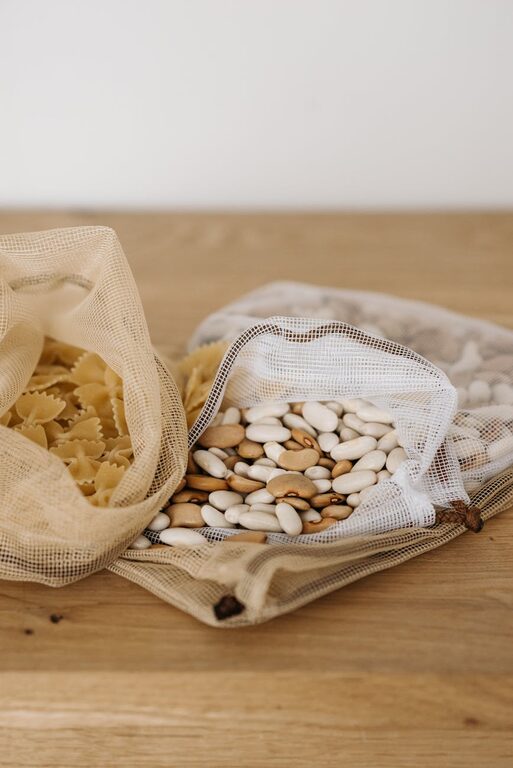
When it comes to cooking at home, having a well-stocked pantry is a lifesaver. Pantry staples are versatile ingredients that can be combined in countless ways to create delicious meals without frequent trips to the grocery store. Planning meals around these essentials helps save time, reduce food waste, and minimize last-minute dinner stress.
In this post, we’ll explore practical steps for planning meals using pantry staples, offer tips for organizing your pantry, and suggest recipe ideas that make the most of common ingredients.
Why Plan Meals from Pantry Staples?
Planning meals ahead using pantry items offers several benefits:
– Convenience: You’re always prepared to cook even when fresh ingredients are low.
– Cost Savings: Utilizing what you already have reduces extra grocery spending.
– Waste Reduction: Planning helps use items before they expire.
– Flexibility: Many staple ingredients can be combined in diverse ways to suit your preferences.
Common Pantry Staples to Keep On Hand
A well-stocked pantry includes items that store well long-term and form the base of many meals. Consider including:
– Grains: Rice, pasta, quinoa, couscous, oats
– Legumes: Canned or dried beans, lentils, chickpeas
– Canned Goods: Tomatoes, coconut milk, broth, tuna
– Baking Essentials: Flour, sugar, baking powder, baking soda
– Oils and Vinegars: Olive oil, vegetable oil, balsamic vinegar, apple cider vinegar
– Spices and Herbs: Salt, pepper, garlic powder, cumin, oregano, chili flakes
– Nuts and Seeds: Almonds, peanuts, chia seeds, flaxseeds
Keeping a selection of these items allows you to prepare a variety of dishes ranging from soups and stews to pasta and salads.
Step 1: Take Inventory of Your Pantry
Before planning meals, take stock of what you have. This helps you avoid buying duplicates and inspires ideas based on available ingredients.
– Empty your pantry shelves if needed and group items by type.
– Note expiry dates to prioritize using items that need to be consumed soon.
– Make a list or take a photo for quick reference.
Step 2: Choose a Meal Planning Method
There are many ways to plan your meals; choose what fits your lifestyle:
– Weekly Plan: Outline breakfast, lunch, and dinner for each day.
– Batch Cooking: Prepare large portions using pantry staples to eat throughout the week.
– Theme Nights: Assign themes like “Pasta Night” or “Soup Sunday” and select recipes accordingly.
Meal planning apps or simple notebooks can help organize your ideas.
Step 3: Find Recipes Based on Your Staples
Select meals that use the ingredients you already have. Some popular pantry-based meal ideas include:
One-Pot Pasta with Canned Tomatoes and Herbs
– Pasta
– Canned diced tomatoes
– Olive oil, garlic powder, dried oregano
– Optional: canned tuna or olives
Lentil and Rice Stew
– Dried lentils
– Rice
– Vegetable broth or bouillon cubes
– Spices like cumin and chili flakes
Chickpea Curry with Coconut Milk
– Canned chickpeas
– Canned coconut milk
– Curry powder or spices
– Rice or naan bread (if available)
Oatmeal with Nuts and Seeds
– Rolled oats
– Chopped nuts
– Seeds like chia or flax
– Optional: dried fruits or honey
Using search engines or recipe websites with filters for pantry staples can help you discover more ideas.
Step 4: Plan a Balanced Meal
Aim to include different food groups for nutrition and satisfaction:
– Carbohydrates: grains, pasta, bread
– Proteins: beans, lentils, canned fish, nuts
– Vegetables: canned tomatoes, frozen veggies, fresh produce if available
– Fats: oils, nuts, seeds
Combining these elements keeps meals balanced and flavorful.
Step 5: Prepare and Store
Once meals are chosen:
– Write a grocery list for any missing fresh ingredients.
– Prep any ingredients ahead, such as soaking beans or chopping onions.
– Batch cook and store leftovers safely to use throughout the week.
Tips for Maintaining a Pantry-Friendly Kitchen
– Rotate Stock: Place newer items behind older ones to use older staples first.
– Label Containers: Store dried goods in clear jars with labels and expiration dates.
– Freeze Extras: Freeze bread, herbs, or sauces to extend their shelf life.
– Keep a Cooking Journal: Note which pantry meals work well and adjust for taste.
Conclusion
With a little planning and creativity, you can transform pantry staples into tasty, satisfying meals any day of the week. Regularly checking and organizing your pantry, choosing recipes that fit your ingredients, and balancing nutrition all make cooking easier and more enjoyable. Start today by taking inventory of your pantry—you might be surprised by all the meals you can create!