
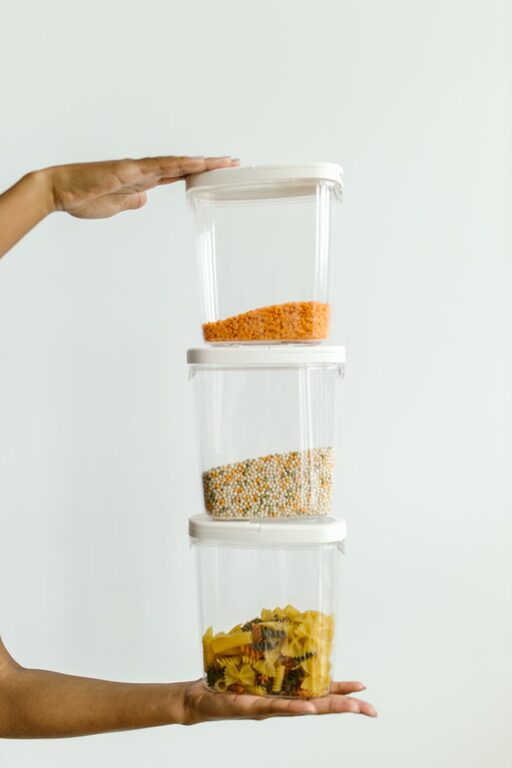
Planning meals from pantry staples is a smart and practical way to save time, reduce food waste, and enjoy delicious homemade dishes. Whether you’re aiming to simplify your grocery shopping or use up what’s already in your kitchen, knowing how to make the most of pantry ingredients can elevate your cooking and meal planning routine. In this post, we’ll explore how to organize your pantry, choose versatile staples, and create varied meals without needing a last-minute grocery run.
Why Plan Meals from Pantry Staples?
Pantry staples are the foundation of countless recipes, from classic comfort foods to quick weeknight dinners. Having a well-stocked pantry offers benefits such as:
– Saving money by using existing ingredients.
– Reducing food waste by using what you already have.
– Quickly throwing together meals when you’re short on time.
– Encouraging creativity in the kitchen.
With a thoughtful approach, you can turn simple ingredients like rice, canned beans, pasta, or spices into satisfying meals for any day of the week.
Step 1: Assess and Organize Your Pantry
Before you start planning meals, take a few minutes to review your pantry:
- **Take Inventory:** Write down what you currently have—canned goods, grains, spices, baking supplies, etc.
- **Check Expiration Dates:** Remove any expired or questionable items.
- **Group Similar Items:** Organize by category (grains, canned vegetables, sauces). This makes it easier to find ingredients.
- **Identify Staples You Need:** Note if any essential items are missing for your cooking style.
Keeping your pantry tidy helps you quickly spot what’s available and inspire new meal ideas.
Step 2: Choose Versatile Pantry Staples
Some ingredients combine with many others to create a variety of dishes. Consider keeping these pantry staples on hand:
– Grains: Rice, pasta, quinoa, couscous, oats.
– Canned Goods: Beans (black, kidney, chickpeas), tomatoes, coconut milk, vegetables.
– Baking Essentials: Flour, sugar, baking powder, yeast.
– Oils & Vinegars: Olive oil, vegetable oil, apple cider vinegar.
– Spices & Herbs: Salt, pepper, garlic powder, paprika, cumin, dried oregano, chili flakes.
– Broths & Stocks: Vegetable or chicken broth cubes or cartons.
– Nut Butters & Seeds: Peanut butter, tahini, sunflower seeds.
Choosing flexible staples means you can mix and match ingredients across cuisines quickly.
Step 3: Plan Meals Around Your Pantry Staples
When planning meals, start with what you have, then supplement if needed. Here are some ways to build meals from common pantry items:
Using Grains and Beans
Grains and beans create filling, nutritious bases. Try recipes like:
– Bean and Rice Bowls: Combine beans, cooked rice, sautéed vegetables, and a simple dressing.
– Chili: Use canned tomatoes, beans, spices, and broth to simmer a hearty chili.
– Pasta with Tomato Sauce: Cook pasta and top it with a sauce made from canned tomatoes, garlic, and herbs.
Soups and Stews
Pantry staples are excellent for cold-weather comfort foods.
– Lentil Soup: Lentils, canned tomatoes, broth, and spices make a wholesome soup.
– Vegetable Stew: Use canned vegetables, broth, and seasonings for a quick meal.
Snacks and Quick Bites
– Trail Mix: Combine nuts, seeds, and dried fruit.
– Nut Butter Toast: Spread peanut butter on toast and top with honey or sliced bananas.
Step 4: Use Meal Planning Tools and Templates
Utilizing meal planning templates can help you visualize your week and ensure variety. Consider:
– Weekly Meal Planner Templates: Draw out staple-based meals for each day.
– Leftover Days: Plan a day to use leftovers or combine pantry items creatively.
– Grocery List Integration: Add missing fresh ingredients to your list, avoiding unnecessary buys.
Apps and printable planners make this easier and more efficient.
Step 5: Batch Cook and Store
Batch cooking meals using pantry staples saves time and energy later.
– Prepare a large pot of soup or chili.
– Cook batches of rice or pasta.
– Store in airtight containers to keep meals fresh through the week.
Batch cooking lets you enjoy homemade food, even on busy days.
Additional Tips for Successful Pantry Meal Planning
– Rotate Your Stocks: Use older items first to reduce waste.
– Experiment with Flavors: Try different spice combinations to keep dishes exciting.
– Incorporate Fresh Ingredients: Add fresh herbs, vegetables, or proteins when possible.
– Keep It Simple: Don’t overcomplicate meals; simplicity often leads to the best results.
Conclusion
Planning meals from pantry staples is both convenient and rewarding. With a well-organized pantry and a selection of versatile ingredients, you can whip up tasty meals anytime without stress. Start by assessing your pantry, choosing staple ingredients, and planning meals around them. Over time, you’ll find that cooking with pantry staples becomes second nature, helping you save time, money, and reduce food waste.
Happy cooking!